

AI Infrastructure



At NVIDIA GTC, Smart Spatial helped Schneider Electric turn a complex AI factory story into a clearer digital twin experience. The result is a stronger way to explain infrastructure density, simulation, and lifecycle thinking across modern AI deployments.
It’s not just design and build anymore. It’s design, simulate, and build.

At NVIDIA GTC, Schneider Electric used Smart Spatial to explain why AI infrastructure requires a different level of visibility, simulation, and confidence. As AI factories grow in density and complexity, the challenge is no longer just design and build. It becomes a question of how to understand, simulate, and validate systems before deployment.
“It’s not just design and build anymore. It’s design, simulate, and build.”
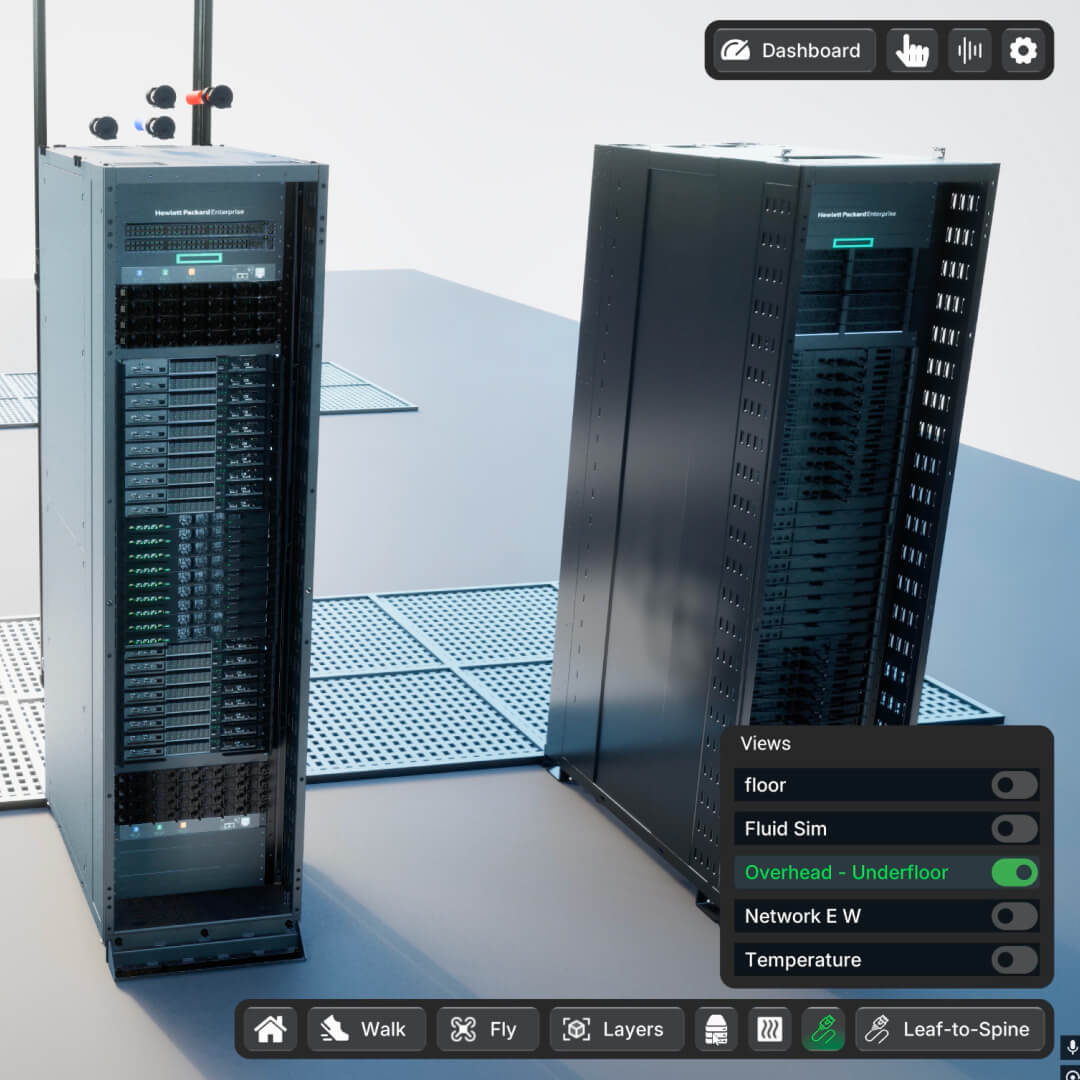
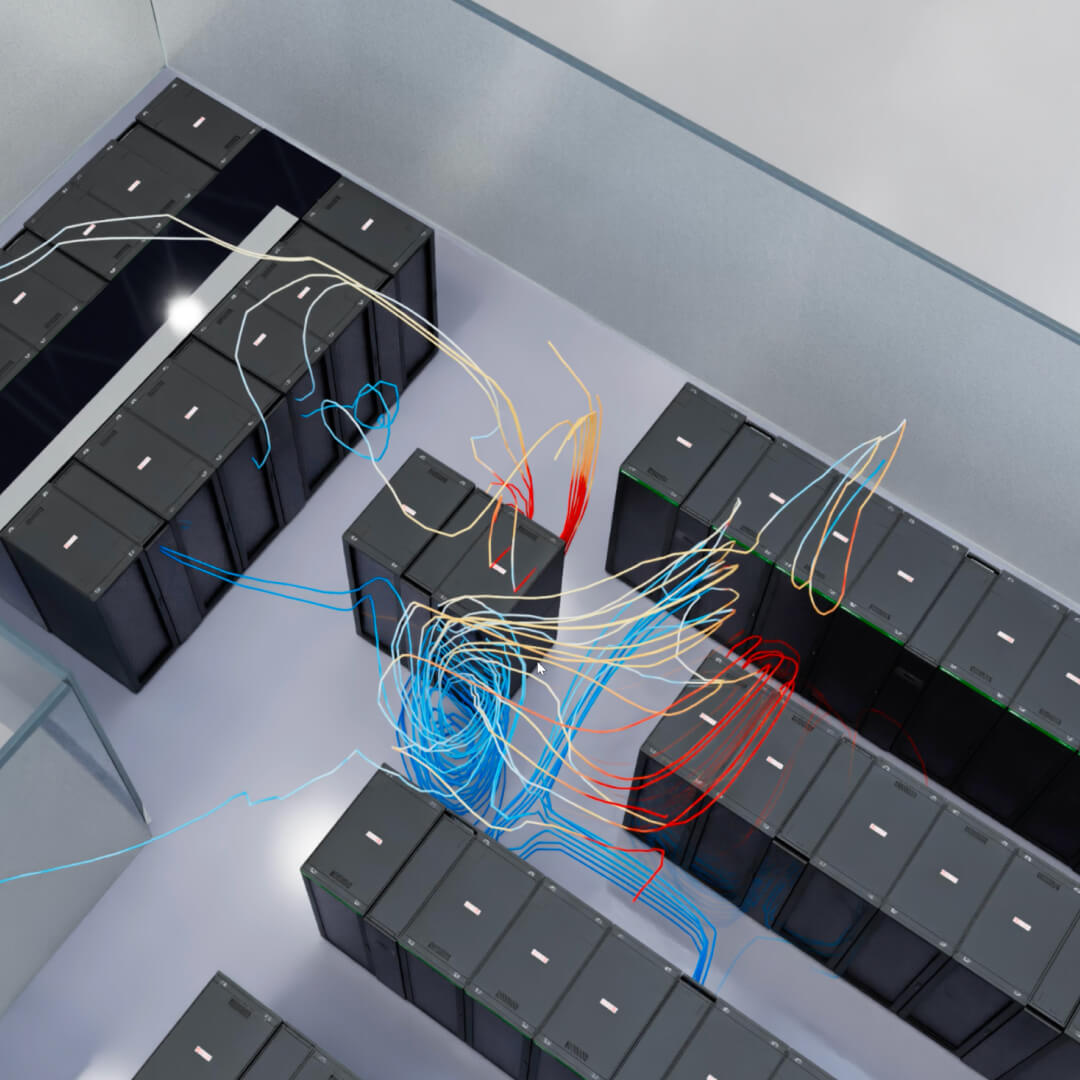
Smart Spatial helped Schneider turn that story into a digital twin experience. The platform gave the team a way to move from visual representation to something more valuable: a simulation-ready environment that helps explain the lifecycle of an AI factory from reference design to operations.
“Take something that’s a visual representation, but actually turn it into a true simulation.”
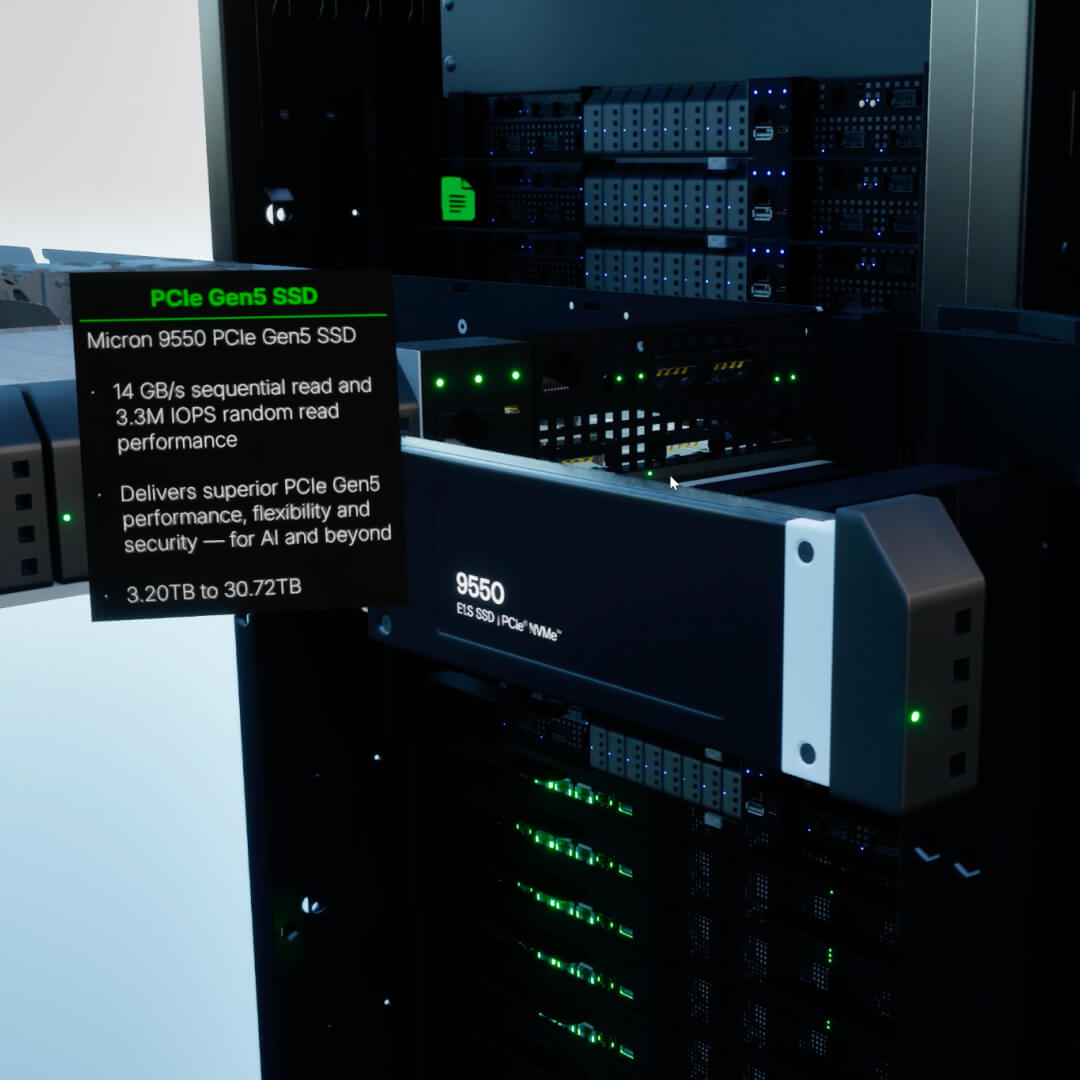
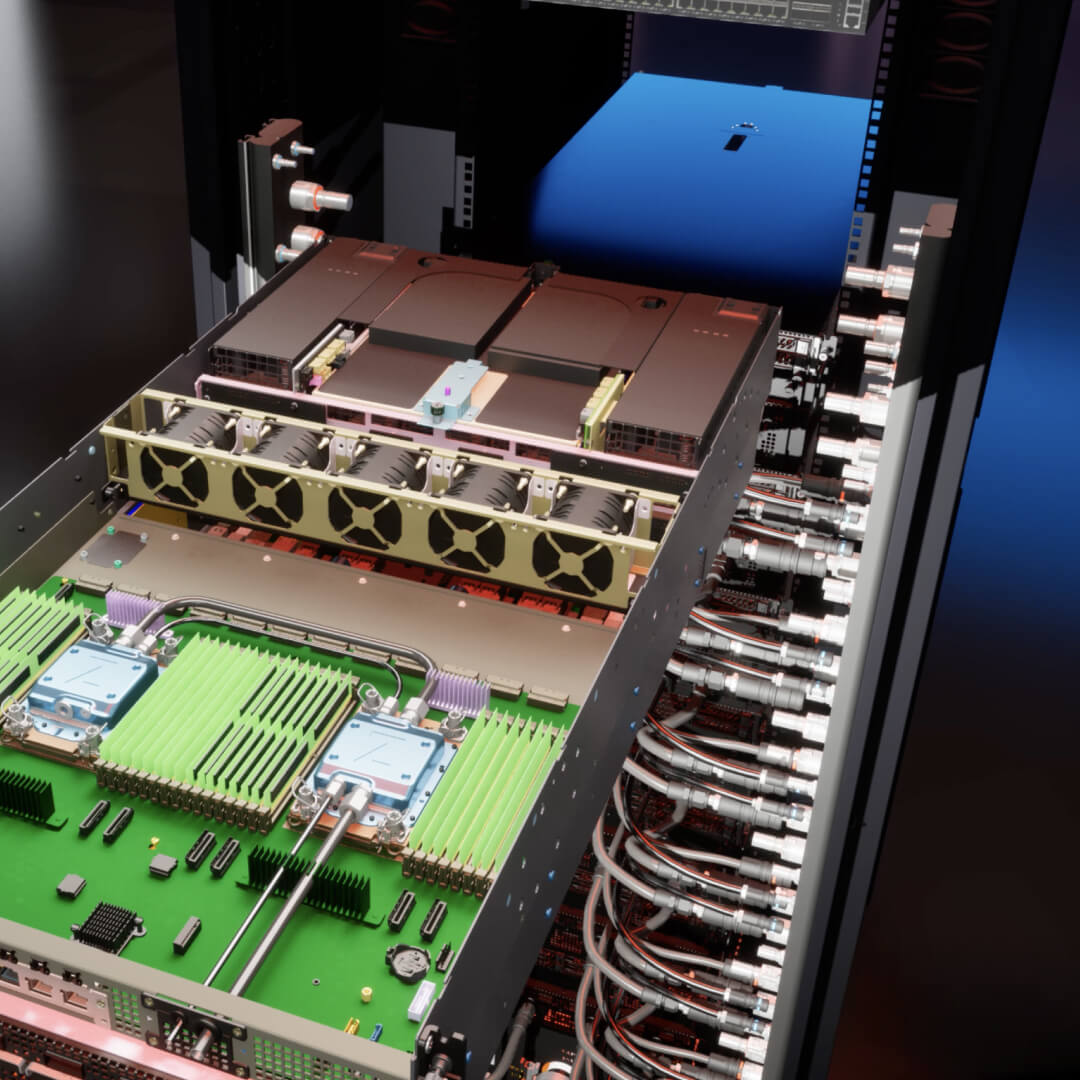
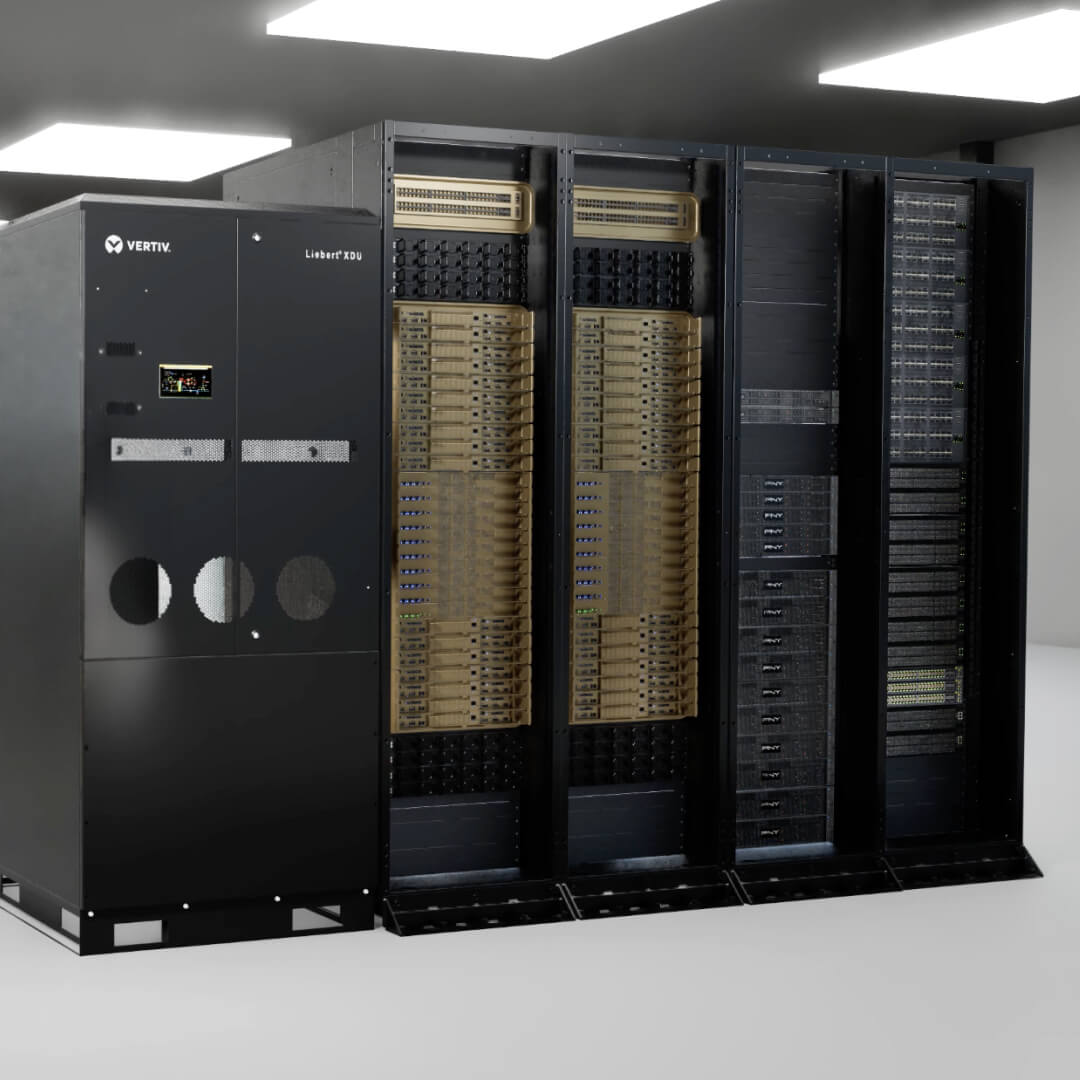
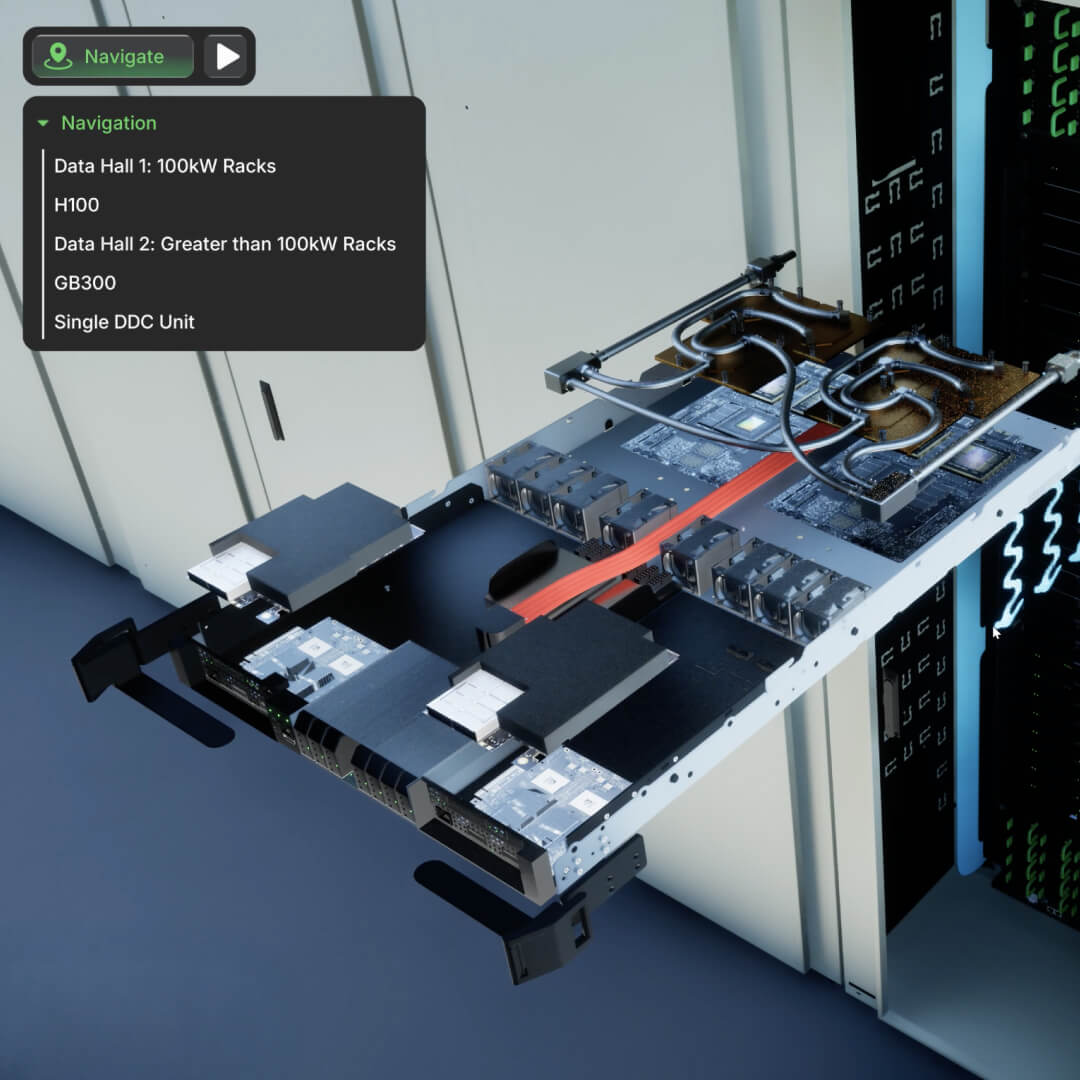
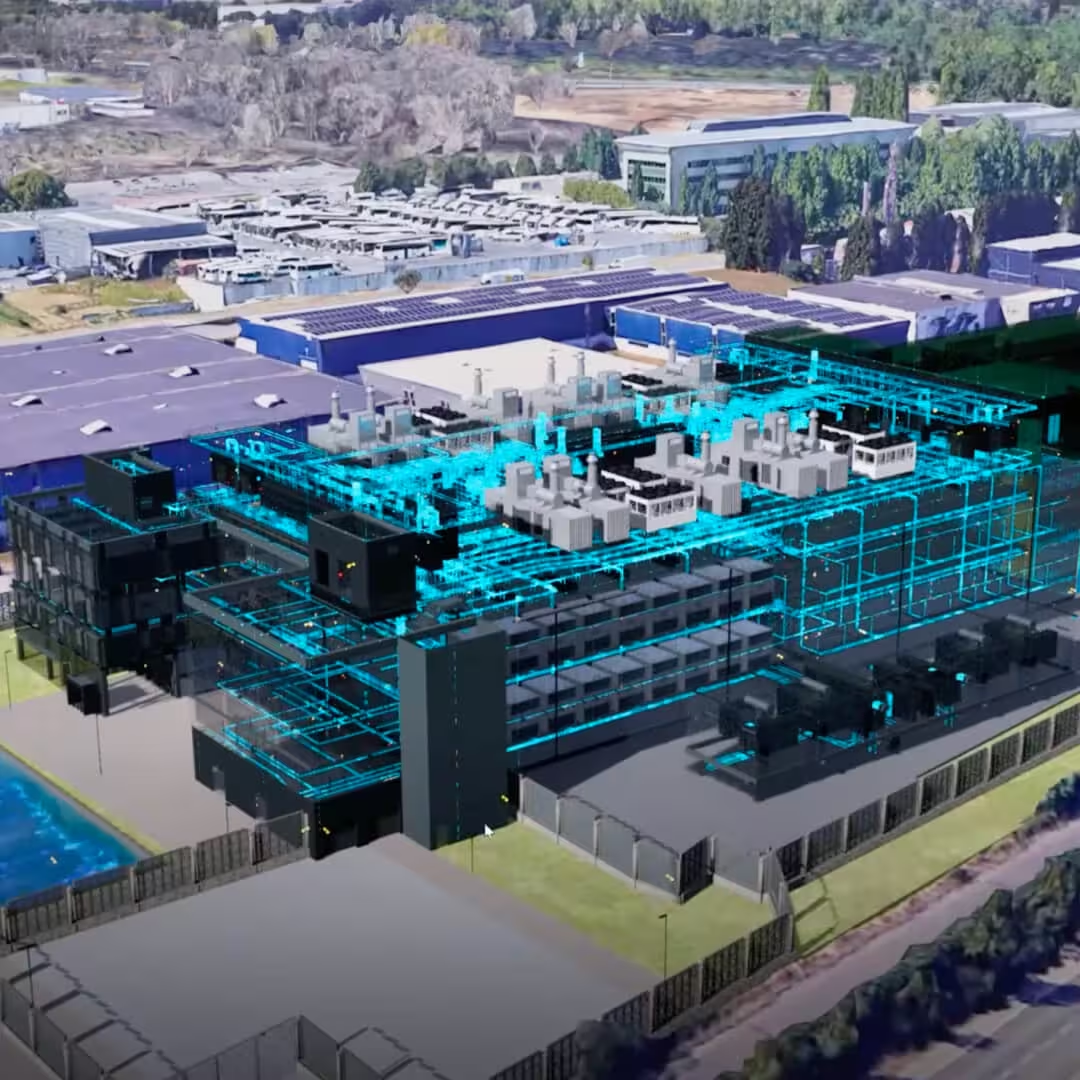
Digital Twin of a GB300 reference design, showing data hall and gray space infrastructure for AI deployments.
Schneider’s interview makes one point especially clear: AI factories are different from traditional data centers. Power density per rack is much higher, the margin for error is lower, and the need to simulate performance before deployment becomes much more important. The digital twin helps make those differences visible in context.
“The ability to simulate that before I deploy it is going to be absolutely critical.”
For Schneider Electric, the digital twin is not just a marketing asset. It is a common thread that can connect design, simulation, deployment, and operations. Smart Spatial helps explain that continuity in a way that is easier for customers, partners, and internal teams to understand.
“The digital twin is the common thread throughout all of those phases.”
The interview adds a direct strategic perspective to the experience. It explains why Schneider needed a clearer way to communicate AI factory complexity and how Smart Spatial helped evolve that story from visualization to simulation.
The result is a stronger way to explain AI infrastructure. Instead of relying only on slides or verbal explanation, Schneider can now show architecture, density, simulation, and system context in one digital twin environment. That aligns closely with Smart Spatial’s public framing of digital twins as an operational layer that bridges design, construction, and operations.