

Digital Infrastructure



Smart Spatial helped HPE present rack-scale AI infrastructure in a clearer and more interactive way. The digital twin gives customers and sales teams a better way to understand individual rack details, larger system architecture, and the path from go-to-market to operations.
I would much rather pull this thing up than pop open a PowerPoint.

At NVIDIA GTC, HPE used Smart Spatial to explain a highly complex AI product story in a way that customers and sales teams could understand more quickly. The digital twin helped communicate both the uniqueness of individual racks and the broader system architecture around them.
“Smart Spatial as a kind of go-to-market tool.”
For HPE, the value starts with clarity. Rack-scale infrastructure is difficult to explain through static materials alone, especially when customers need to understand both internal detail and system-wide architecture. The digital twin creates a more engaging way to show that complexity in context.
“I would much rather pull this thing up than pop open a PowerPoint.”
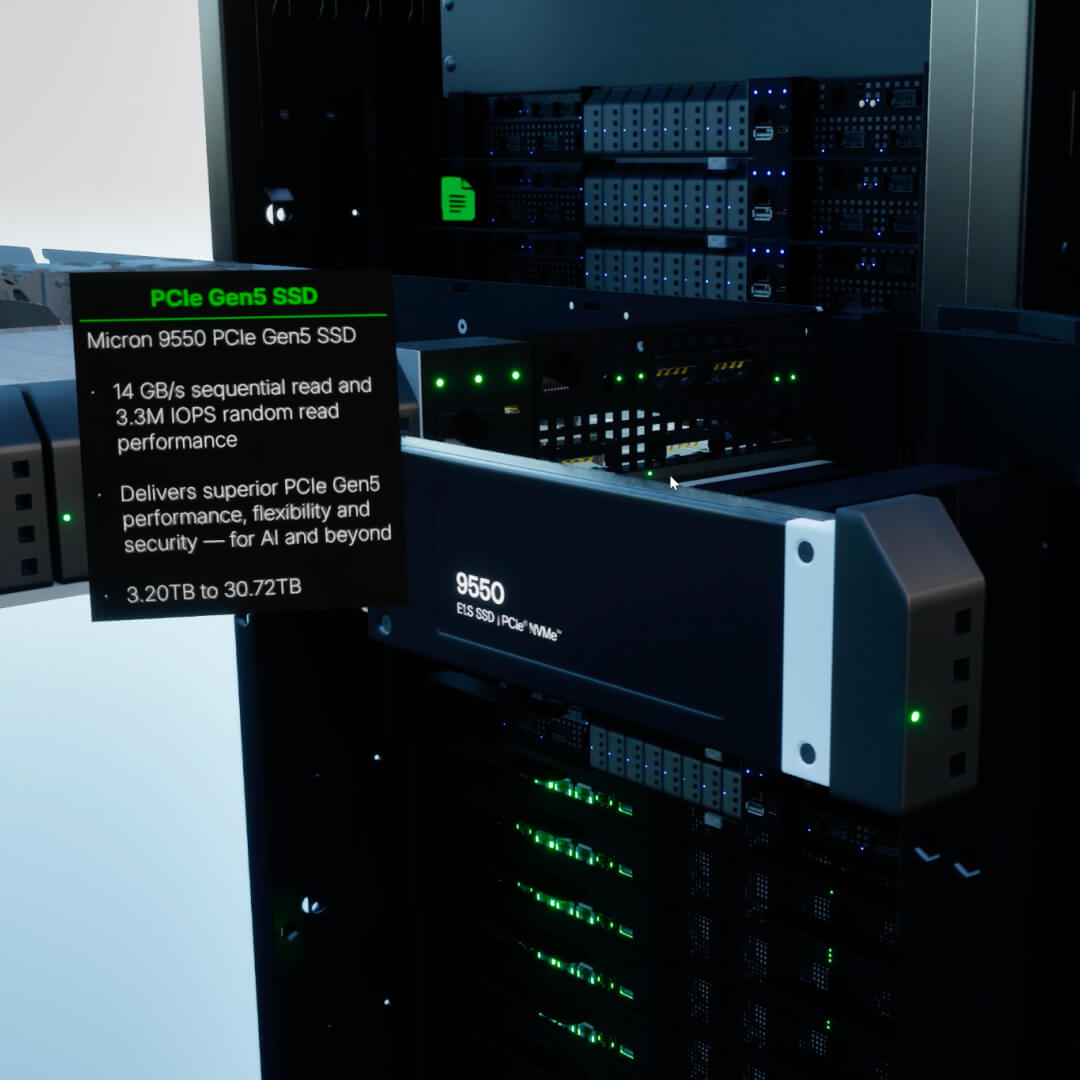
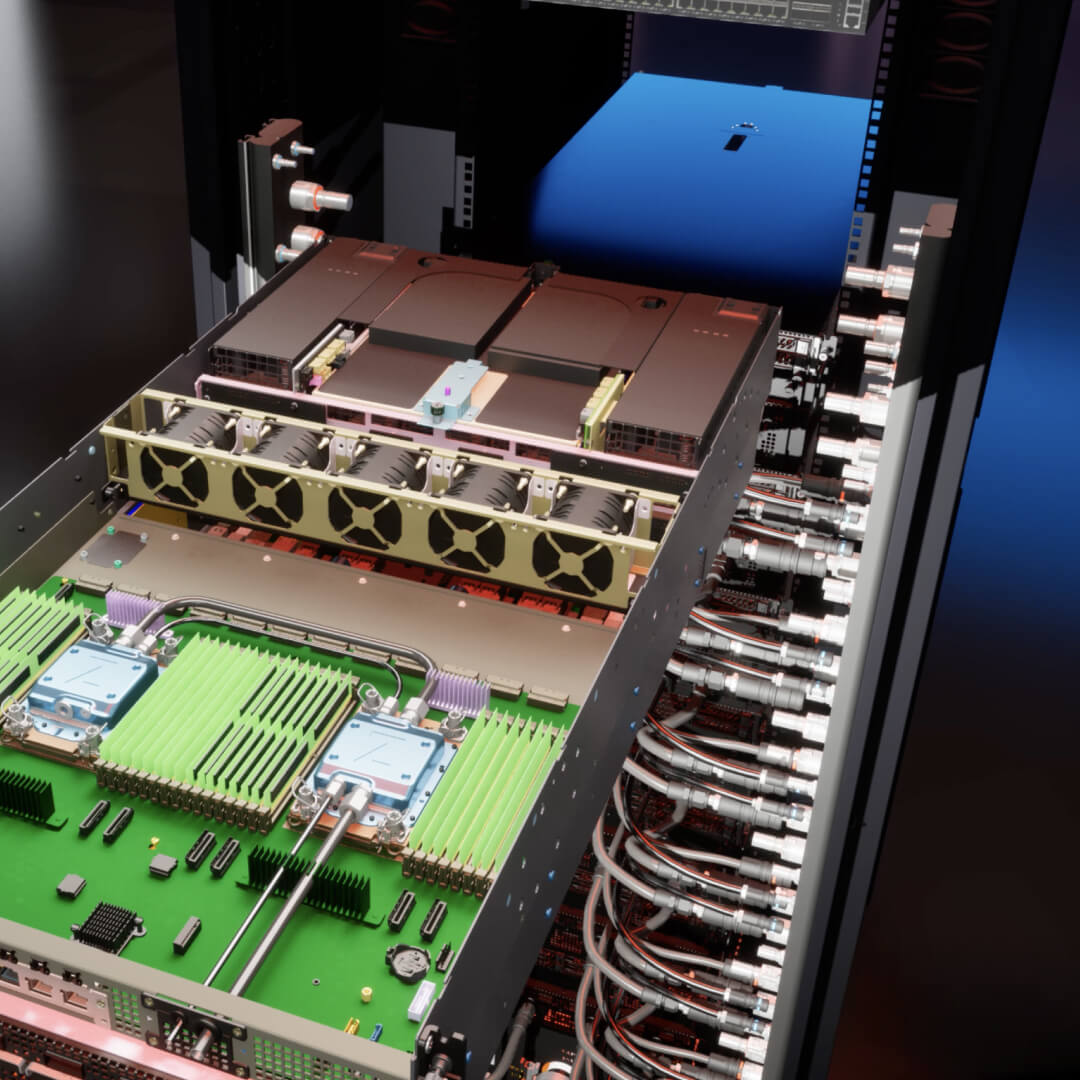
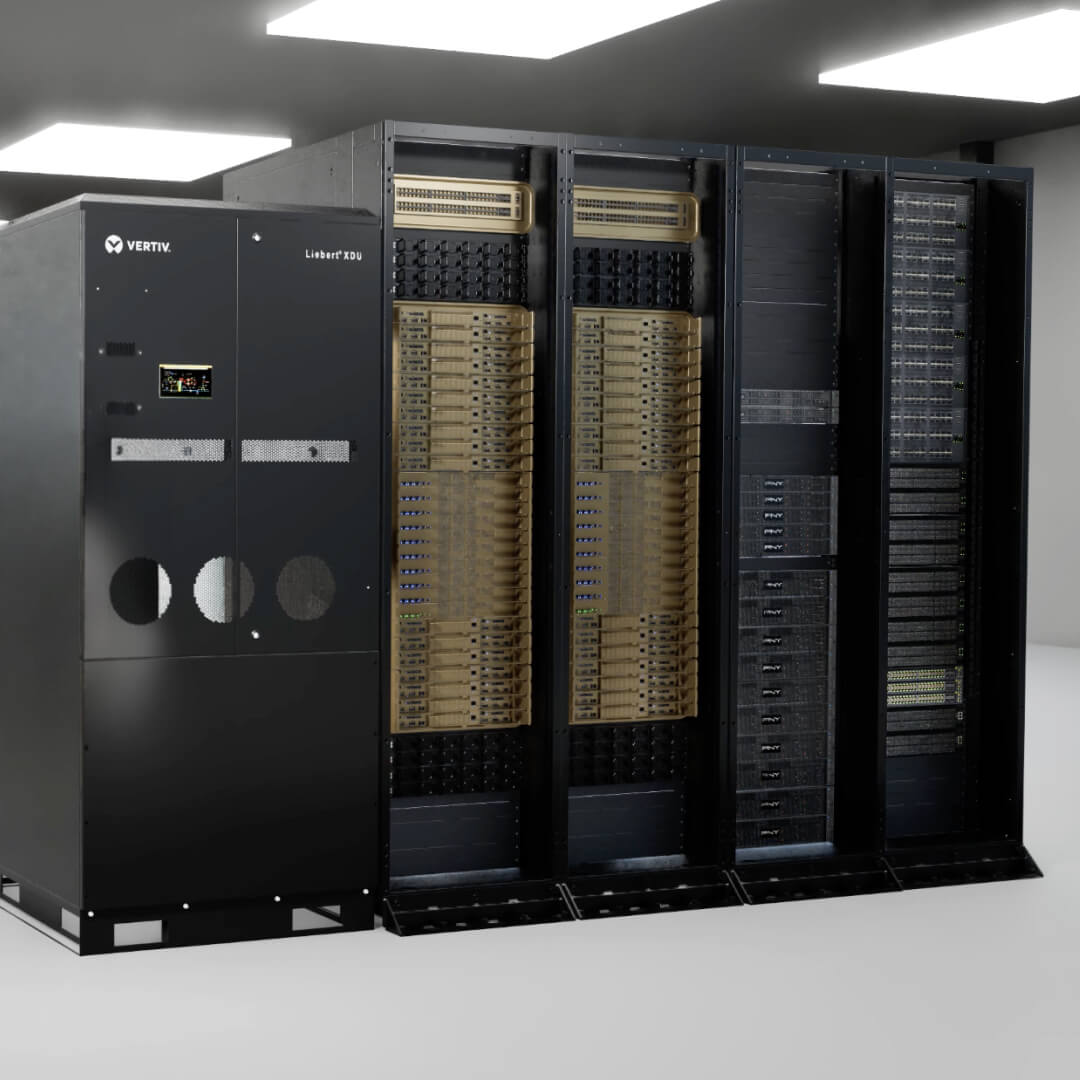
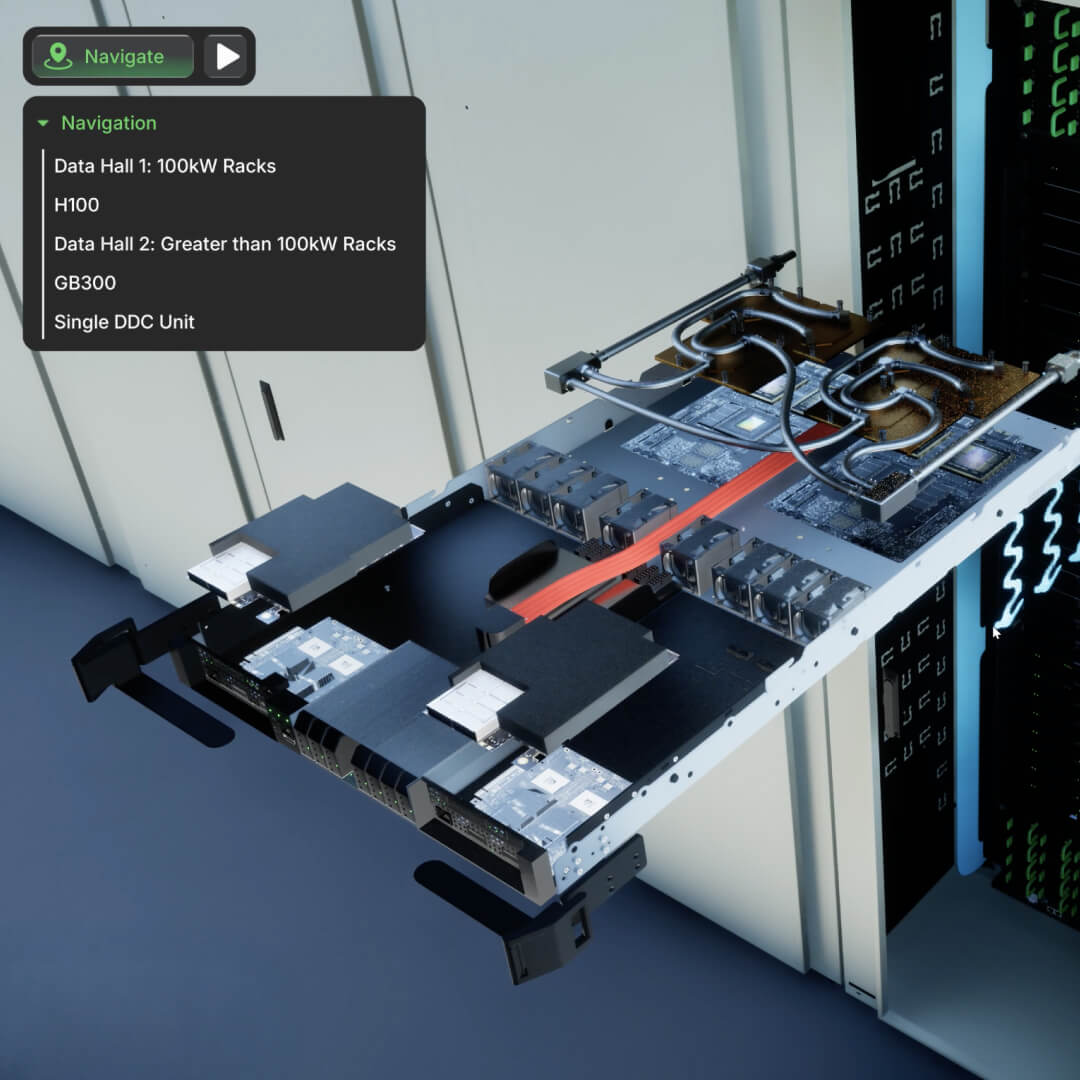
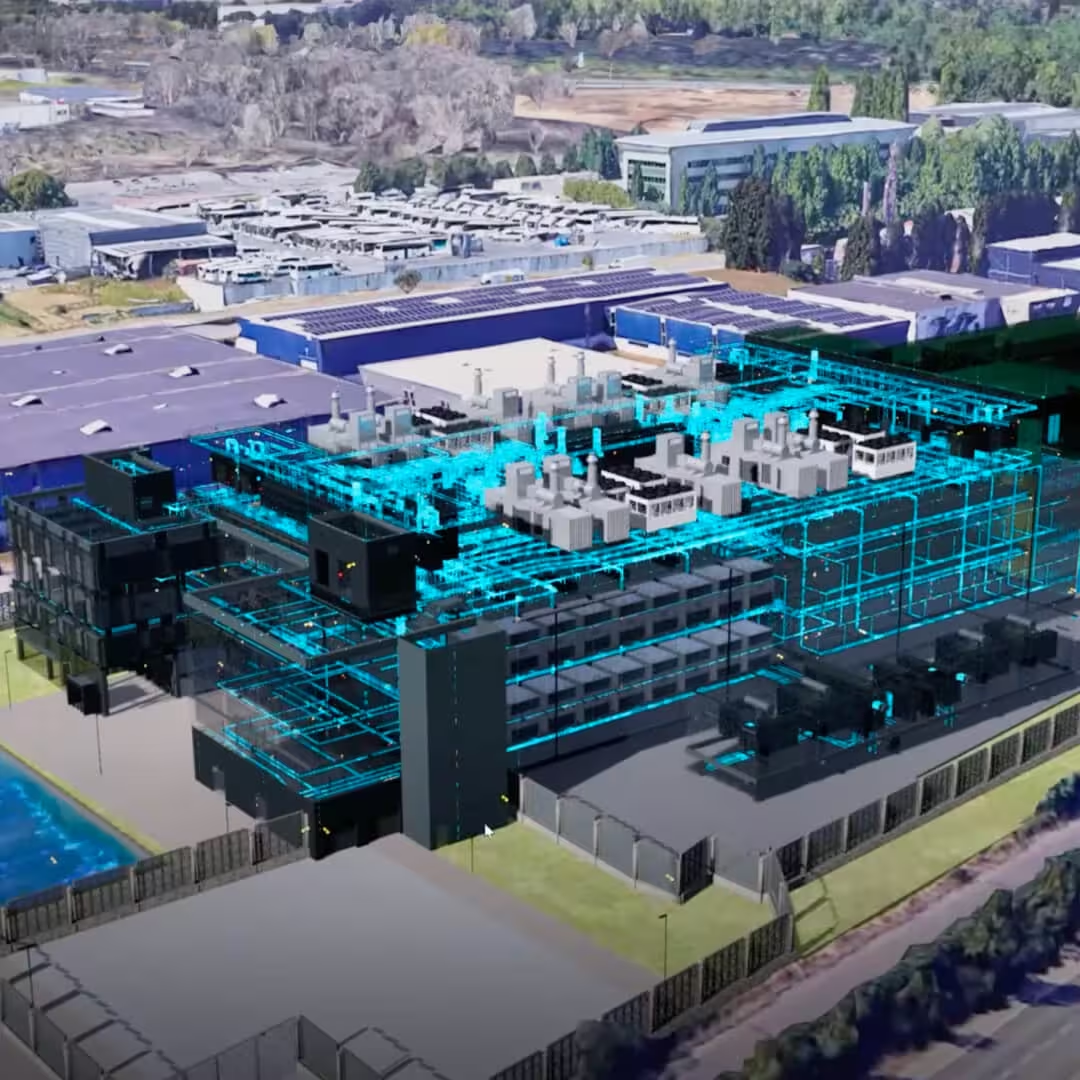
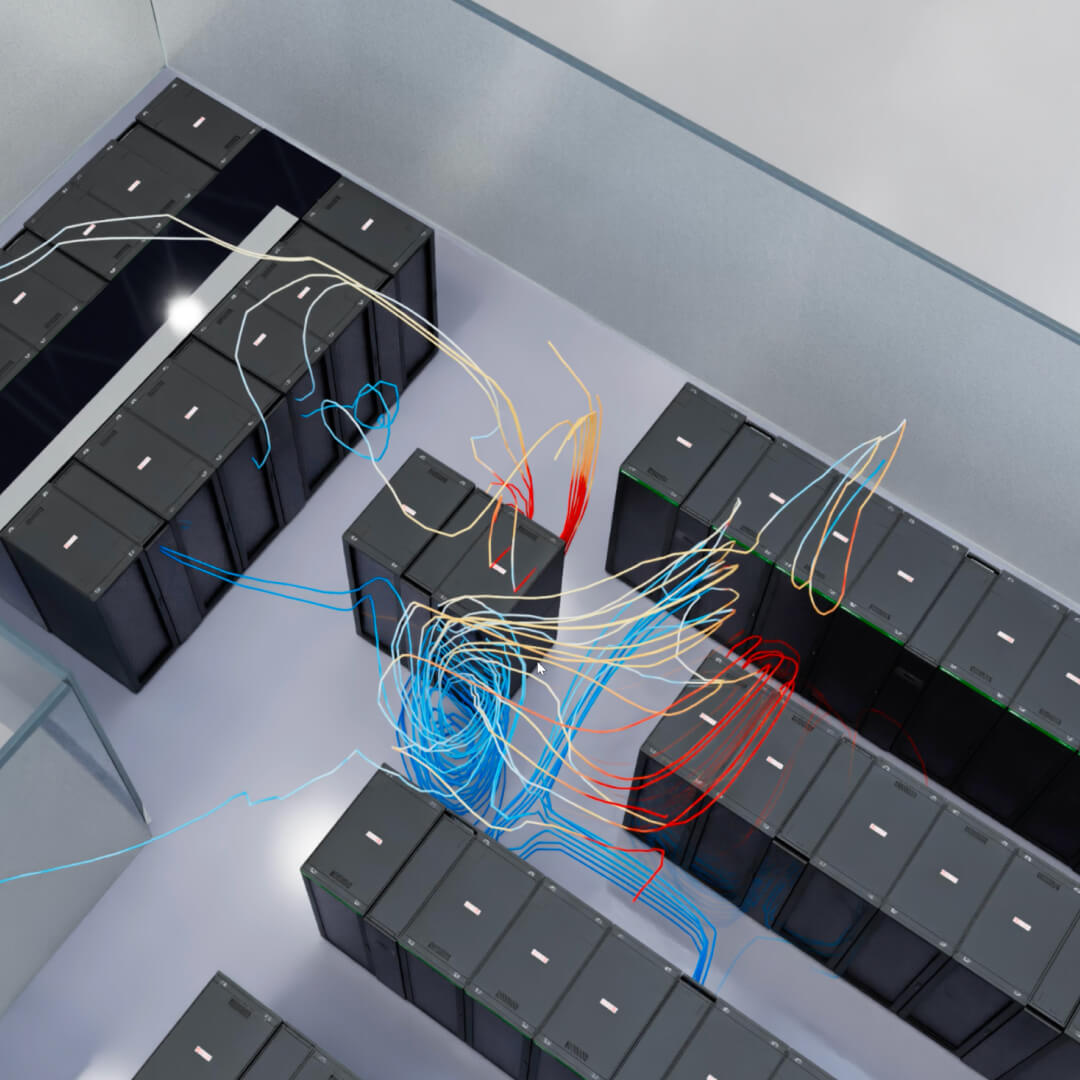
Digital Twin of HPE rack systems, comparing architectures, cooling, and scaling across AI deployments.
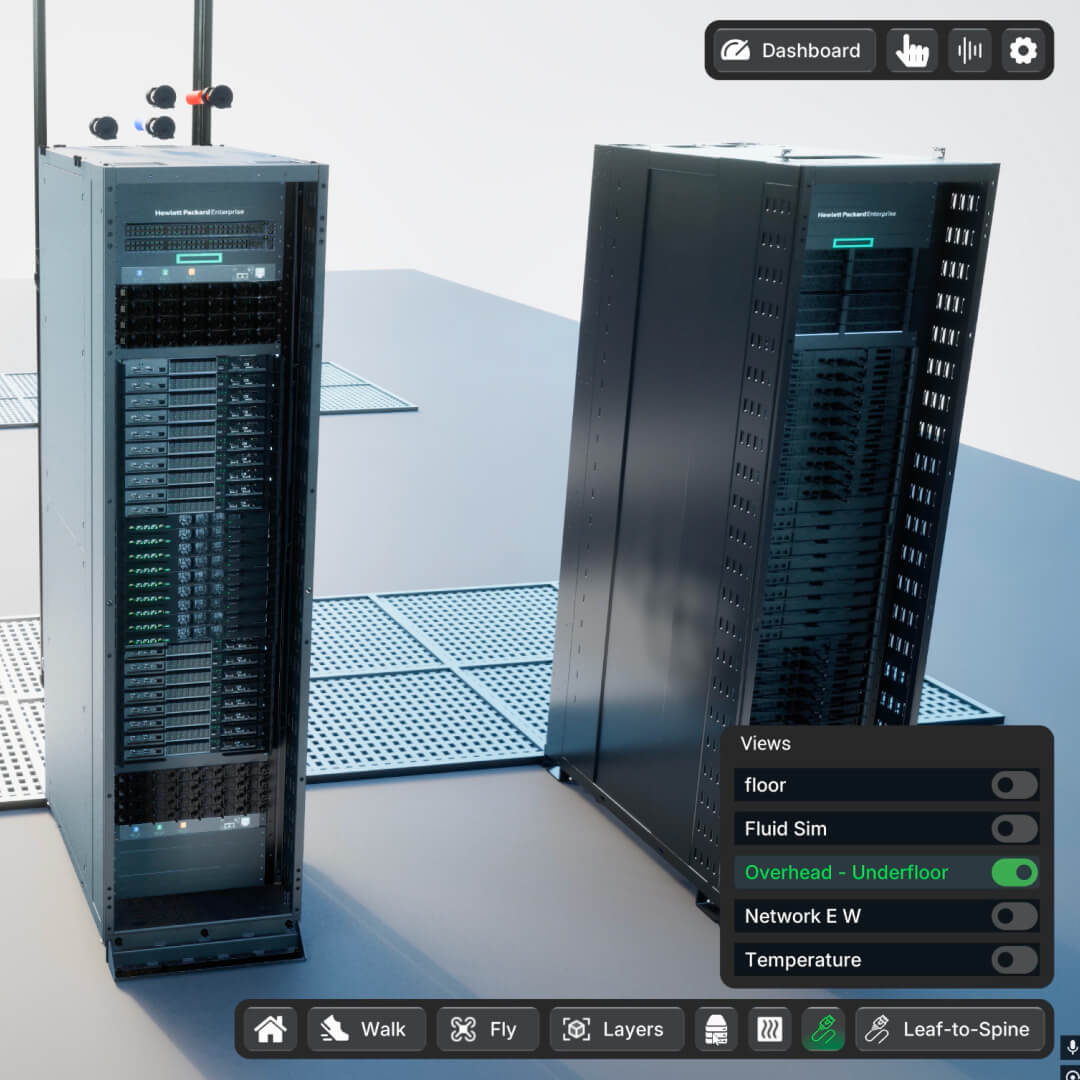
The experience allows HPE to go from individual rack-level views to the broader multi-rack architecture, including networking structure. That shift from component detail to system perspective is where the digital twin becomes especially powerful.
“We can go and dive into the individual rack and highlight the uniqueness in the individual racks.”
The interview also frames digital twins as more than go-to-market assets. Over time, the same model can evolve into something operational, with telemetry, live context, and customer-specific adaptation. That makes the story relevant not only for product explanation, but for how infrastructure is represented and used over time.
“It moves out of the go-to-market exercise and into the actual operational exercise.”
The interview adds a direct product and go-to-market perspective to the page. It explains why HPE needed a more effective way to communicate rack-scale AI systems and how the digital twin helps teams keep attention, answer questions in context, and educate customers more effectively.
For HPE, the result is a stronger way to explain AI-at-scale systems to both customers and internal teams. Smart Spatial helps turn a difficult product story into an interactive digital twin experience that supports understanding now and creates a bridge to future operational use.